
The most memorable homes rarely feel as though they were created from a single source.
They evolve through layers—objects collected while traveling, artwork with personal meaning, pieces passed through generations, beautiful materials, contemporary furnishings and influences gathered over a lifetime.
This is what gives a home character.
For me, a global perspective on design has always felt natural. Growing up in India and later building a life and design practice in the United States gave me an appreciation for the way different cultures approach color, craftsmanship, pattern, hospitality and home.
But designing with global influences is not about creating a themed interior.
It is about bringing together elements with different histories and allowing them to live comfortably in a modern home.
Culture Is More Than Decoration
Cultural influence in a home can be obvious—a textile, an antique, a piece of art—or almost imperceptible.
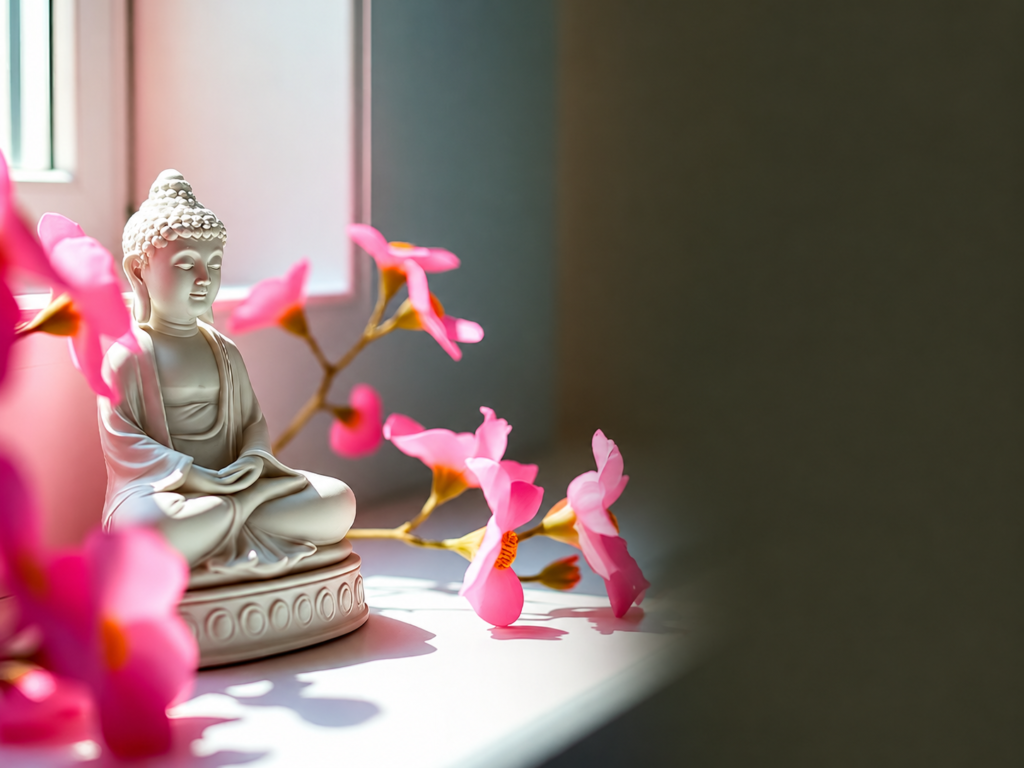
Sometimes it is expressed through material and craftsmanship. At other times, it is reflected in how a family gathers, entertains, cooks, celebrates or creates space for prayer, meditation and quiet reflection.
Those aspects of daily life are just as important to design as furniture and finishes.
A beautifully designed home should make room for both heritage and the way a family lives today.
Begin With What Has Meaning
When clients own pieces that matter to them, we don’t view those pieces as obstacles to designing something new.
Quite the opposite.
A family heirloom, an artwork acquired on a meaningful trip, an antique chest or a handcrafted textile can become the beginning of a room.
The goal isn’t necessarily to match it.
Often, the most interesting design comes from allowing an older or culturally significant piece to sit confidently beside something contemporary.
That tension between old and new can give an interior a depth that cannot be created by purchasing everything at once.
Mix Influences Rather Than Recreate a Style
A globally inspired interior should never feel like a catalogue of cultural references.
Restraint matters.
An intricately patterned rug might be paired with clean-lined upholstery. A carved antique cabinet can sit against a quiet plaster wall. Handwoven textiles may bring warmth to an otherwise tailored room.
The contrast allows each element to retain its identity.
Rather than reproducing a particular historical or regional style, we look for ways to interpret its spirit within the architecture and lifestyle of the home.
That is what keeps the result sophisticated rather than thematic.
Let Craftsmanship Tell Part of the Story
One of the greatest pleasures of working with global influences is the opportunity to celebrate craftsmanship.
Handwoven textiles, carved wood, metalwork, stone, embroidery, pottery and hand-finished surfaces carry subtle evidence of the people who made them.
In a world filled with mass-produced furnishings, these imperfections and variations can make a home feel remarkably personal.
They also work beautifully alongside contemporary pieces.
A room does not have to be traditional to appreciate tradition.
Color and Pattern Require Confidence—and Restraint
Many cultures have extraordinary traditions of color and pattern.
Used thoughtfully, they can bring tremendous warmth and personality to an interior.
The key is understanding where to let pattern speak and where to create quiet.
A richly patterned textile may become the inspiration for an entire palette. A saturated color might appear in one important piece and then be echoed subtly elsewhere. Several patterns can coexist beautifully when their scale, color and visual weight are carefully balanced.
Layering doesn’t mean adding everything.
It means knowing what belongs together.
Designing Around Ritual and Everyday Life
Some of the most meaningful cultural considerations are not visual at all.
A family may need a dedicated room for prayer or meditation. Another may frequently host large extended-family gatherings. Cooking traditions may influence kitchen planning, ventilation, storage or the need for separate preparation areas.
These aren’t details to address after the floor plan has been finalized.
They are part of understanding how the home needs to work.
When cultural traditions and modern life are considered together from the beginning, the result can feel both deeply personal and completely natural.
A Home Should Tell Your Story
There is no single formula for a sophisticated interior.
The homes that stay with us are often those that reveal something about the people who live there—their history, travels, interests, families and way of seeing the world.
At Avantte Interior Designs, we approach each project with that individuality in mind.
Our interiors are informed by architecture, craftsmanship and a global design perspective, but they are ultimately shaped around the people who will inhabit them.
The result should never feel like a designer’s signature imposed upon a home.
It should feel unmistakably like yours—only more considered, more layered and more beautifully resolved.